
The Godly Christian Life
The Godly Christian Life
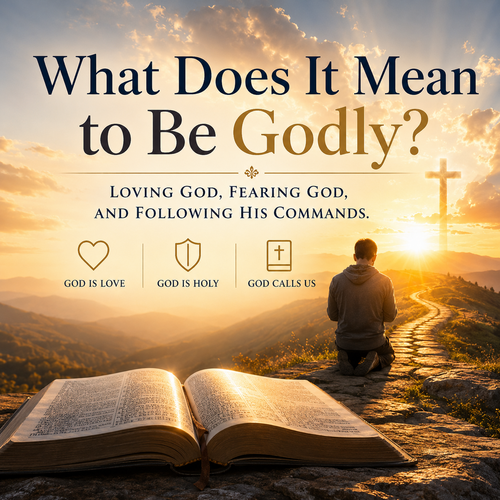
Photo Source: Artificially Generated
Note: If you have any questions about this topic or any of Pastor John's blog articles, feel free to contact him directly at pastor.john@fbcmoriarty.org, or you may contact the church office at office@fbcmoriarty.org.
For the past several weeks, we have been working through the marks of spiritual maturity in a sermon series titled "Growing in Christ." Part of that series has entailed a lot of discussion about what it means to be holy or godly in the Christian life. My aim for today is simply to reinforce several of those truths.
First, to be godly is to live a life increasingly shaped by God’s character, God’s Word, and God’s will. Godliness does not mean being perfect, appearing religious, or acting superior to others. It means belonging to God and being transformed by His grace so that our thoughts, desires, words, and actions begin to increasingly reflect Him and look like Christ.
A godly person fears and honors the Lord, loves what God loves, turns from sin, depends on God’s strength, and grows in the character of Christ. This is why Scripture connects godliness with reverence, faith, repentance, obedience, and the fruit of the Spirit. Godliness is not self-improvement by human effort; it is life before God, for God, and like God—by the grace of God. It is something every Christian should desire and strive for their entire life on earth, knowing, of course, that this will be sought and accomplished imperfectly in the flesh.
This also helps us understand how God can be both loving and feared. The fear of God is not opposed to the love of God. Rather, it is the right response to who God is. God is not loving in a casual or sentimental way; He is holy love. His love is pure, righteous, sovereign, and morally serious. We do not fear God because He is cruel, evil, or unpredictable. We fear Him (reverentially) because He is holy, just, powerful, and worthy of reverence.
So, for the unbeliever, fear may involve the terror of judgment. But for the Christian, fear of God is not the fear of condemnation, because “there is now no condemnation for those in Christ Jesus” (Romans 8:1, CSB). Instead, believers fear God as beloved children who greatly honor their Father. His love gives us confidence to draw near to Him, while His holiness keeps us from treating Him lightly.
That is why God calls us to love Him and follow His commands. His commands are not separate from His love; they are one of the ways His love guides, protects, and forms us. Jesus said, “If you love me, you will keep my commands” (John 14:15, CSB). This does not mean we earn God’s love by obedience. Rather, true love for God produces a genuine desire to obey Him. God calls us to love Him because He is worthy, because He made us, sustains us, saves us, and is our greatest good. He calls us to obey Him because His commands are wise, holy, and life-giving. Sin promises freedom but leads to slavery; God’s way leads to life. Love without obedience is empty, and obedience without love becomes cold legalism. But when love and obedience come together, they reveal the heart of true godliness.
So, the Christian life is not merely about following rules or "feeling" affection toward God. It is about knowing the God who is both loving and holy, relationally, drawing near to Him with confidence, bowing before Him with reverence, and walking in His ways with trust. The love of God makes us secure. The fear of God keeps us humble. The commands of God guide us into life. And the grace of God forms us into the image of Christ.
To be godly, then, is to live before God with reverent love—trusting His grace, honoring His holiness, and gladly following His commands with joy.
First, to be godly is to live a life increasingly shaped by God’s character, God’s Word, and God’s will. Godliness does not mean being perfect, appearing religious, or acting superior to others. It means belonging to God and being transformed by His grace so that our thoughts, desires, words, and actions begin to increasingly reflect Him and look like Christ.
A godly person fears and honors the Lord, loves what God loves, turns from sin, depends on God’s strength, and grows in the character of Christ. This is why Scripture connects godliness with reverence, faith, repentance, obedience, and the fruit of the Spirit. Godliness is not self-improvement by human effort; it is life before God, for God, and like God—by the grace of God. It is something every Christian should desire and strive for their entire life on earth, knowing, of course, that this will be sought and accomplished imperfectly in the flesh.
This also helps us understand how God can be both loving and feared. The fear of God is not opposed to the love of God. Rather, it is the right response to who God is. God is not loving in a casual or sentimental way; He is holy love. His love is pure, righteous, sovereign, and morally serious. We do not fear God because He is cruel, evil, or unpredictable. We fear Him (reverentially) because He is holy, just, powerful, and worthy of reverence.
So, for the unbeliever, fear may involve the terror of judgment. But for the Christian, fear of God is not the fear of condemnation, because “there is now no condemnation for those in Christ Jesus” (Romans 8:1, CSB). Instead, believers fear God as beloved children who greatly honor their Father. His love gives us confidence to draw near to Him, while His holiness keeps us from treating Him lightly.
That is why God calls us to love Him and follow His commands. His commands are not separate from His love; they are one of the ways His love guides, protects, and forms us. Jesus said, “If you love me, you will keep my commands” (John 14:15, CSB). This does not mean we earn God’s love by obedience. Rather, true love for God produces a genuine desire to obey Him. God calls us to love Him because He is worthy, because He made us, sustains us, saves us, and is our greatest good. He calls us to obey Him because His commands are wise, holy, and life-giving. Sin promises freedom but leads to slavery; God’s way leads to life. Love without obedience is empty, and obedience without love becomes cold legalism. But when love and obedience come together, they reveal the heart of true godliness.
So, the Christian life is not merely about following rules or "feeling" affection toward God. It is about knowing the God who is both loving and holy, relationally, drawing near to Him with confidence, bowing before Him with reverence, and walking in His ways with trust. The love of God makes us secure. The fear of God keeps us humble. The commands of God guide us into life. And the grace of God forms us into the image of Christ.
To be godly, then, is to live before God with reverent love—trusting His grace, honoring His holiness, and gladly following His commands with joy.
"Jesus answered and said to him, “Truly, truly, I say to you, unless one is born again he cannot see the kingdom of God.” -- John 3:3
Have you been born again? The Bible says all have sinned and fallen short of the glory of God and that the wages of sin is death. However, there is Good News! The Bible also says that the free gift of God is eternal life in Christ Jesus our Lord (Romans 3:23 and 6:23). Is Jesus Christ your personal Lord and Savior? If not, why not?
Have you been born again? The Bible says all have sinned and fallen short of the glory of God and that the wages of sin is death. However, there is Good News! The Bible also says that the free gift of God is eternal life in Christ Jesus our Lord (Romans 3:23 and 6:23). Is Jesus Christ your personal Lord and Savior? If not, why not?
Posted in Coffee Hour w/ Pastor John
Posted in godly, Faith, Love, grace, holiness, holy, Obedience, character, Repentance, Growing in Christ, Spiritual Maturity, Christian Life
Posted in godly, Faith, Love, grace, holiness, holy, Obedience, character, Repentance, Growing in Christ, Spiritual Maturity, Christian Life
Recent
Archive
2026
March
April
2025
April
September
October
2024
February
April
July
December
2023